Umbrellas & Rain Gear for Temple Trusts and Pilgrimage Season in India (2026): A Devotee-Welfare & CSR Buying Guide

Every pilgrimage season, someone at a temple trust, a dharamshala, or a corporate CSR desk ends up solving the same problem at the last minute: thousands of devotees are about to stand in an open queue, or walk a forest trail, or sit through a wet evening aarti, and there is no shade, no rain gear, and no time left to source it properly. This guide exists because that scramble is avoidable. It is written for the people who actually place these orders — trust administrators, dharamshala and ashram managers, CSR teams funding devotee-welfare infrastructure, pilgrimage tour operators, and the event-management agencies who work with all of them — and it treats umbrella and rain-gear procurement for religious tourism exactly like what it is: a specialised, recurring, seasonal B2B purchase with its own calendar, its own failure points, and its own buying checklist.
Sky Umbrella has spent this year building out detailed buying guides for nearly every corporate, institutional, and hospitality vertical in India — from traffic police welfare kits to housing-society security staff to five-star resort procurement teams. Religious tourism and temple-trust welfare programs are one of the largest devotee-facing infrastructure categories in the country, and until now, nobody had written the version of this guide aimed specifically at them. That is the gap this article closes.
Table of Contents
- Why Temple Trusts and Pilgrimage Operators Need a Procurement Plan, Not Just a Purchase Order
- The Pilgrimage Calendar That Actually Drives Demand
- Who Is Actually Placing These Orders
- Five Real Use Cases on the Ground
- Expert Tips From Bulk Institutional Buying
- Illustrative Case Study: A District Pilgrimage Corridor
- The Buying Guide: What to Specify Before You Order
- Comparison Table: Matching the Product to the Use Case
- Pros and Cons of Each Shade & Rainwear Format
- Who Else This Applies To
- Frequently Asked Questions
- Conclusion

Why Temple Trusts and Pilgrimage Operators Need a Procurement Plan, Not Just a Purchase Order
Most institutions in this space buy umbrellas and rain gear the way they buy printer paper: reactively, once the monsoon or the pilgrimage rush has already started, from whichever local vendor answers the phone first. That approach works for a dharamshala ordering forty umbrellas for its staff. It does not work for a temple trust planning devotee amenities for a festival that will draw lakhs of people over two to six weeks, or for a district administration coordinating crowd-safety equipment across a forest trekking route.
The difference between the two approaches is almost always visible in three places: whether the shade structures at the queue points survived the first strong gust of wind, whether the giveaway umbrellas handed to elderly devotees lasted the full day or snapped in the first hour, and whether the on-duty staff — security, sanitation, medical volunteers, priests moving between shrines — had functioning rain gear by week three of a six-week festival, not just week one. Every one of those failure points is a specification problem that gets solved on paper, weeks in advance, not a last-minute sourcing problem.
The Pilgrimage Calendar That Actually Drives Demand
India's major pilgrimage seasons are not evenly spread across the year, and procurement timelines need to be built around that calendar rather than around the general monsoon season alone.
The Sabarimala pilgrimage in Kerala is the clearest example of why this matters for a guide published in mid-November. The main pilgrimage season opens around mid-November with the two-month Mandala-Makaravilakku period, drawing an estimated several million devotees — reported figures for the full season commonly run into the tens of millions of footfalls across temples in the hill shrine network — through forest trails, in conditions where rain, mist, and uneven terrain are the norm rather than the exception. Pilgrims typically trek long stretches on foot, often fasting and carrying the irumudikettu (the traditional offering bundle on the head), which makes hands-free protection a functional necessity rather than a convenience.
Beyond Sabarimala, the same planning logic applies to the Char Dham yatra circuit in Uttarakhand (roughly April/May through October/November, heavily monsoon-exposed), the annual Amarnath Yatra (June–August, high-altitude and weather-volatile), large periodic gatherings such as the Kumbh Mela (astronomically timed, but always involving open river-bank crowds with no permanent shade infrastructure), and the daily, non-seasonal but very high-volume darshan queues at temples such as Tirumala Tirupati (commonly reported at tens of thousands of pilgrims a day, with multiples of that on festival days) and the Vaishno Devi shrine board's trek route in Jammu. Shravan month and Kartik Purnima also reliably spike local and regional temple footfall across the country, independent of any single shrine's calendar.
The practical takeaway for a procurement officer: treat your pilgrimage season the way a retailer treats Diwali — work backwards from the first major footfall date, and place bulk orders at least six to eight weeks ahead to absorb production lead time, sampling, and transit, especially for routes with difficult last-mile logistics (hill terrain, forest checkpoints, or river crossings).
Who Is Actually Placing These Orders
In our experience fielding enquiries from this sector, the buyer is rarely a single role. It is usually one of five:
Temple trust and devaswom board administrators, who procure for devotee-welfare amenities, often through a tender or empanelment process similar in spirit to a government tender (see our bulk umbrella procurement for government tenders guide for the paperwork side of this). Dharamshala, ashram, and pilgrim-rest-house managers, who typically buy smaller, recurring batches for guest use and staff duty. Corporate CSR teams, who fund devotee-welfare infrastructure — shade points, rainwear for volunteers, giveaway umbrellas — as part of a broader community or heritage-tourism CSR mandate, frequently in partnership with a trust rather than buying independently. Pilgrimage tour operators and travel agents, who equip group tours with rain gear as part of a package, especially for hill and forest routes. And district administrations and police departments coordinating crowd management at major gatherings, who need rain gear and shade for on-duty staff in the same way we've documented for traffic police welfare kits elsewhere on this blog.
Five Real Use Cases on the Ground
1. Fixed Shade at Darshan Queues and Waiting Areas
Long, slow-moving queues are the single most predictable feature of high-footfall pilgrimage sites. A fixed, ground-anchored umbrella at regular intervals along a queue line does more to protect devotee welfare — especially for elderly pilgrims and small children — than any number of handheld umbrellas ever could, because it doesn't depend on anyone holding it correctly in a crowd. A center-pole garden parasol umbrella with a weighted stand base is the standard fit here: it sits over a fixed point, rotates on its crank mechanism so queue managers can angle it against shifting sun or wind, and survives being set up and struck down daily across a multi-week festival far better than a tent sheet.

2. Giveaway and Take-Home Umbrellas Funded by CSR or the Trust
Many temple trusts and CSR-sponsoring corporates distribute a basic umbrella to elderly pilgrims, differently-abled devotees, or volunteers as a welfare gesture, especially during the wettest weeks of a season. This is a bulk, cost-sensitive, made-to-order purchase, not a premium gifting exercise, and it should be specified and quoted as one. An economy 2-fold promotional umbrella is the right tier for this: it is sold as a quote-based bulk order (not off-the-shelf retail stock), which is exactly how a five-, ten-, or fifty-thousand-unit devotee-welfare order should be sourced and priced in the first place.

3. Full Rainwear for Staff on Multi-Week Duty
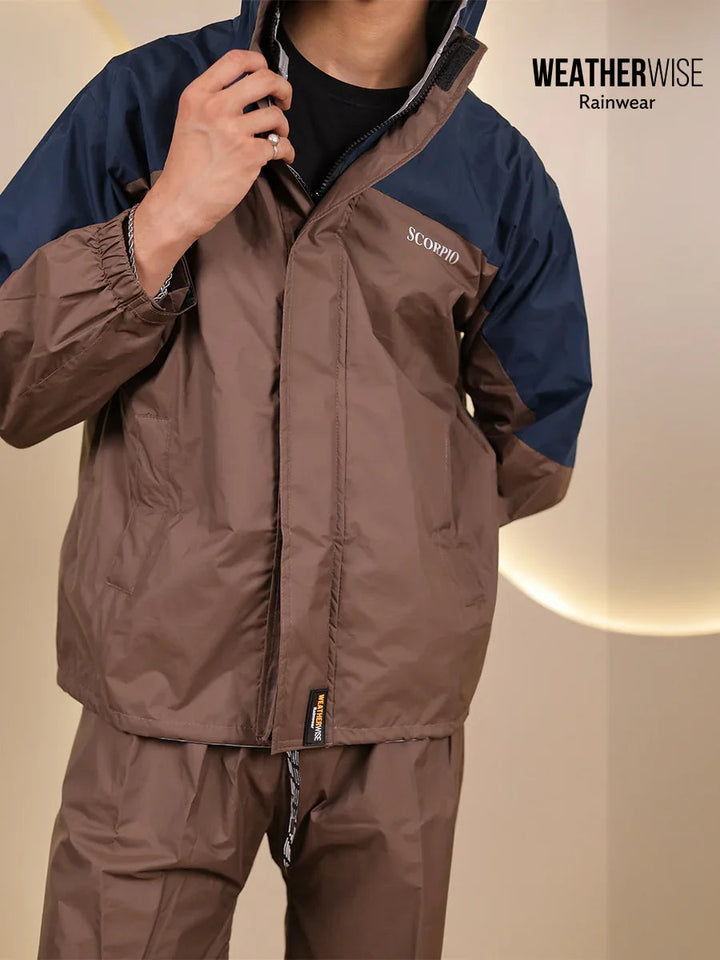
Priests moving between shrines, security personnel on perimeter duty, sanitation crews, and medical-camp volunteers are often on their feet through an entire wet shift, which an umbrella alone does not solve. A proper two-piece rainsuit — hooded jacket and trousers — like the WeatherWise Scorpio RainSuit is the more honest specification for this group, and it's worth budgeting it as a duty-uniform item with a replacement cycle, not a one-time purchase, given how many consecutive wet shifts it will see across a festival season.

4. Hands-Free Protection for Trekking Pilgrims
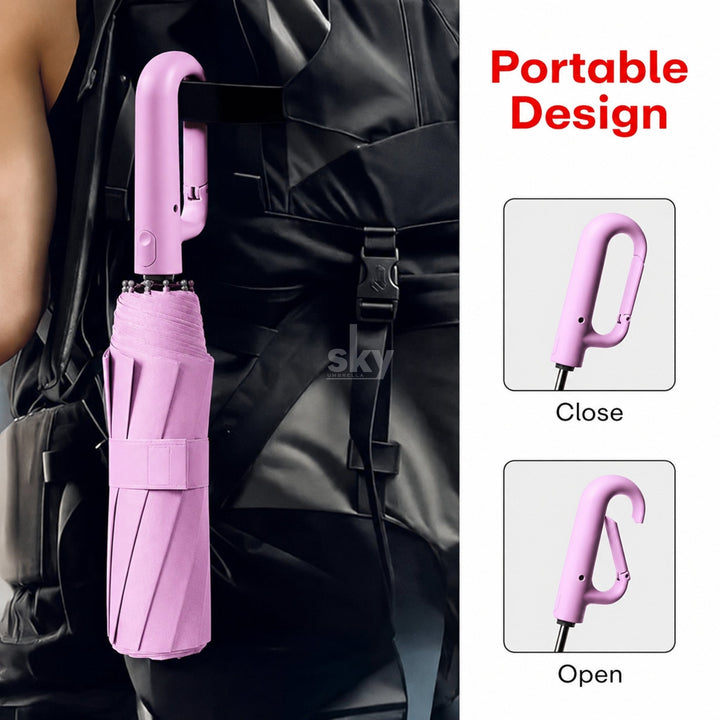
This is the use case the Sabarimala season makes unavoidable, and it's underserved by almost every generic umbrella catalogue, because a pilgrim trekking a forest path while fasting, carrying an offering bundle, or holding a child's hand simply cannot also hold an umbrella the conventional way. A wearable, hands-free cap umbrella — like Sky Umbrella's hands-free cap umbrella — solves exactly this. It is a genuinely different category from a handheld umbrella, and trusts or tour operators sourcing for trek routes should stock it as a distinct line item, not an afterthought variant.

5. Larger Escort Umbrellas for Dignitaries, Priests in Procession, and VIP Darshan
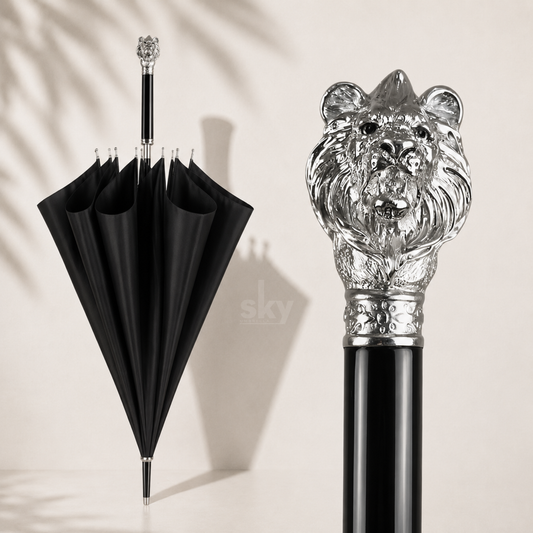
Temple festivals regularly involve a procession, a VIP darshan slot, or a visiting dignitary who needs to be escorted a short distance in the open without getting drenched — a different need from either fixed shade or a personal umbrella. A larger, two-person-capacity windproof umbrella such as the double-layer windproof golf umbrella (its own listing states it offers ample coverage for two people) is the practical choice here, and it doubles as usable equipment for the trust's own security or hospitality staff outside festival season.

Expert Tips From Bulk Institutional Buying
Order your giveaway-tier umbrellas in at least two colours or a clearly different print from your staff-duty umbrellas. On a crowded festival ground, colour-coding is the fastest way for a queue manager to tell at a glance who is on duty and who is a devotee carrying a complimentary umbrella — it sounds minor until week two of a festival, when it becomes a genuine crowd-management aid.
Budget a minimum 8–10% replacement float on top of your headcount for any multi-week festival. Rain gear issued to a rotating volunteer or security roster gets lost, lent out, and damaged at a higher rate than office-issued equipment, and running out mid-festival is far more expensive than over-ordering by a small margin upfront.
For fixed shade points, never order the umbrella without its stand base in the same purchase order. A center-pole umbrella without an adequately weighted base is a safety hazard in open ground, not a convenience — and bases are frequently the line item that gets accidentally dropped from a rushed quote.
If your trust or CSR program plans to brand the giveaway umbrellas (trust name, sponsor logo, a safety helpline number), build the artwork approval and a physical pre-production sample into your timeline as a hard milestone, not an informal step — our sample approval checklist covers exactly what to check before signing off.
Where a corporate CSR budget is funding the purchase on the trust's behalf, get the donation/CSR paperwork and GST particulars sorted before production starts, not after — our guide on verifying a vendor's GST registration and paperwork applies just as much to a CSR-routed purchase as to a direct corporate one.
Illustrative Case Study: A District Pilgrimage Corridor
The following is a composite, illustrative scenario built from the kind of recurring brief we see in this sector — not a named client engagement — included to show how the specification choices above play out in practice.
A district-level pilgrimage corridor serving a hill shrine expects its main six-week season to open in mid-November. Three months out, the organizing committee (a mix of the temple trust, the district administration, and two corporate CSR sponsors) maps its needs across the five use cases above: twelve fixed center-pole shade points along the queue and rest areas, a bulk order of giveaway umbrellas for elderly and differently-abled pilgrims funded by the CSR sponsors, full rainsuits for a 150-person rotating security and sanitation roster, a separate stock of hands-free cap umbrellas specifically for the forest trekking stretch, and four escort-size windproof umbrellas for VIP darshan slots and the trust's own senior office-bearers.
Working backwards from the season opening, the committee places its bulk order roughly eight weeks ahead to cover production, a physical sample-approval cycle, and transit to a hill-terrain delivery point — exactly the lead time this guide recommends above. The result, reported anecdotally by committees who plan this way season after season, is simple: shade points that are already standing and anchored before the first major rush of footfall, rather than being assembled reactively once queues have already formed.
The Buying Guide: What to Specify Before You Order
Frame and Wind Exposure
Hill shrines, river banks, and open festival grounds are exposed sites almost by definition. Specify a windproof or double-layer vented frame for anything that will be deployed in the open for more than a day at a time — a standard single-canopy frame is the wrong spec for this environment, even though it's cheaper upfront.
Fixed Shade vs. Portable/Handheld
Decide this by use case, not by budget alone. Queue points and rest areas need fixed, anchored shade. Individual pilgrims and staff on the move need portable or hands-free protection. Trying to solve both needs with a single product category is the most common planning mistake we see in this sector.
Giveaway-Tier Economics
Treat welfare giveaways as a bulk, quote-based purchase from day one, and ask your vendor for made-to-order bulk pricing rather than retail per-unit pricing — the economics are structured completely differently, and retail pricing will make a large devotee-welfare order look far more expensive than it needs to be.
Staff Rainwear Sizing and Duty Cycles
Order a genuine size spread for your roster rather than defaulting to one or two sizes, and plan a mid-season inspection of issued rainsuits on any festival running longer than three to four weeks — worn seams and failed zips are a safety issue for staff who are on continuous outdoor duty, not just a cosmetic one.
Paperwork, Donation Routing, and Compliance
Where a purchase is routed through a trust's tender or empanelment process, or through a corporate CSR donation, confirm vendor GST registration, get purchase terms in writing (not just a verbal quote), and clarify delivery penalty and replacement terms before an advance is paid — the same diligence this blog recommends for any bulk umbrella purchase order and supply contract applies in full here.
Comparison Table: Matching the Product to the Use Case
| Use Case | Recommended Product | Indicative Starting Price | Why This Fits |
|---|---|---|---|
| Fixed shade at queues and rest points | Center Pole Garden Parasol Umbrella + stand base | ₹3,499 (umbrella) + ₹1,200 (base) | Anchored, rotates against sun/wind, no handling needed once set up |
| Bulk devotee-welfare giveaway | Promotional 2-Fold Umbrella | From ₹90/unit (quote-based bulk) | Priced and sourced as a made-to-order bulk item, matching welfare-budget economics |
| Staff and volunteer duty wear | WeatherWise Scorpio RainSuit | ₹1,499 | Full hooded jacket-and-trouser coverage for continuous outdoor shifts |
| Forest trekking / hands occupied | Hands-Free Cap Umbrella | ₹250 | Worn, not held — the only format that works mid-trek |
| VIP escort / procession / two-person cover | Double Layer Windproof Golf Umbrella | From ₹350 (quote-based bulk) | Larger canopy rated for two people, windproof double-canopy build |
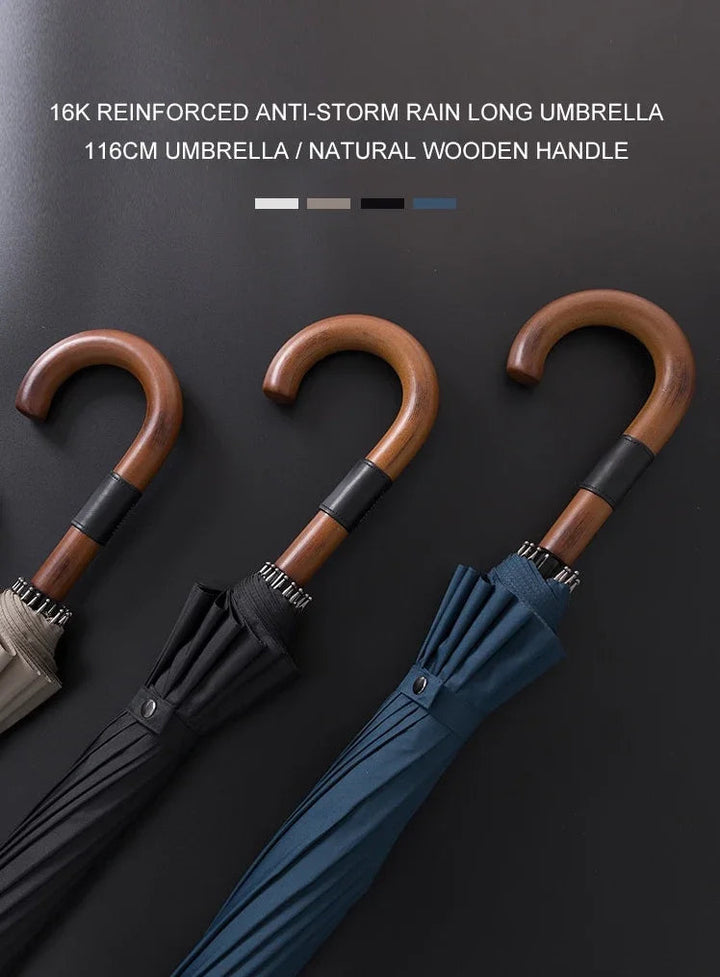
| Personal carry for staff/officials | Windproof Travel Umbrella | ₹699 | Compact, automatic, wind-resistant for day-to-day personal use |
Pros and Cons of Each Shade & Rainwear Format
| Format | Pros | Cons |
|---|---|---|
| Fixed center-pole shade | No handling required; consistent coverage; rotates with crank mechanism; durable across a multi-week festival | Needs a weighted base and ground space; not portable mid-event |
| Bulk giveaway umbrella | Very low per-unit cost at bulk/quote pricing; easy to brand; high welfare value per rupee | Not built for daily long-term use; best treated as a season item, not a multi-year asset |
| Full rainsuit | Full-body protection for continuous duty; far more durable than an umbrella for staff on the move | Higher per-unit cost; needs correct sizing per person |
| Hands-free cap umbrella | Only format that leaves both hands free; genuinely solves the trekking-pilgrim problem | Smaller canopy than a handheld umbrella; less coverage in very heavy wind-driven rain |
| Large escort/golf umbrella | Covers two people; strong windproof build; dual-use outside festival season | Bulkier to store and transport in volume; higher per-unit cost than a basic giveaway umbrella |
Who Else This Applies To
Beyond temple trusts and devaswom boards, the same planning framework applies cleanly to dharamshala and ashram networks across pilgrimage towns, to state tourism and forest departments managing trekking-route safety infrastructure, to district police and disaster-management teams handling crowd control at large gatherings, to heritage and religious-tourism hotels near pilgrim circuits (a theme our Kerala hospitality coverage touches from the resort side rather than the pilgrimage-welfare side), and to the CSR arms of banks, insurers, pharma companies, and FMCG brands that already sponsor community welfare programs and are increasingly looking for a tangible, visible, high-footfall way to deploy that budget during festival season.
Frequently Asked Questions
How far in advance should a temple trust or tour operator place a bulk order for a pilgrimage season?
At least six to eight weeks before the season's main footfall begins, longer for routes with difficult last-mile logistics such as hill or forest terrain. This covers production time, a sample-approval cycle, and transit.
Is a handheld umbrella enough for a forest trekking route like the Sabarimala path?
For a pilgrim who needs both hands free — to carry an offering bundle, hold a child's hand, or manage the terrain — a hands-free wearable cap umbrella is a meaningfully better fit than a handheld one, which is why we treat it as a distinct line item rather than a substitute product.
Can a corporate CSR budget fund umbrellas and rain gear routed through a temple trust?
Yes, this is a common and well-established CSR pattern for devotee-welfare and community-infrastructure spending. As with any CSR-routed purchase, confirm the vendor's GST registration and get purchase terms in writing before an advance is paid.
What's the difference between ordering fixed shade umbrellas and ordering giveaway umbrellas?
Fixed shade (like a center-pole garden parasol with a stand base) is a durable, reusable asset for a specific location. Giveaway umbrellas are a bulk, cost-sensitive, largely single-season welfare item. Pricing them the same way is the most common budgeting mistake in this category.
Do staff and volunteers really need a full rainsuit instead of just an umbrella?
For anyone on continuous outdoor duty — security, sanitation, medical-camp volunteers, priests moving between shrines — yes. An umbrella doesn't protect someone who needs both hands for their job through a full wet shift.
Can umbrellas be branded with a trust's name or a CSR sponsor's logo?
Yes, bulk umbrella orders can be custom-printed with a trust name, sponsor branding, or a safety helpline number. Build artwork approval and a physical sample into your timeline as a fixed milestone rather than an informal step.
Conclusion
Pilgrimage-season procurement is not a smaller version of corporate bulk buying — it has its own calendar, its own mix of buyers, and its own five recurring use cases, from fixed queue shade to hands-free trekking protection to full-shift rainwear for on-duty staff. Treating it that way, with a written specification and a six-to-eight-week lead time, is the difference between devotee-welfare infrastructure that's standing and working before the crowds arrive, and a last-minute scramble once they already have.
If you're planning procurement for an upcoming festival, pilgrimage season, or devotee-welfare CSR program, Sky Umbrella works with trusts, dharamshalas, tour operators, and CSR teams on exactly this kind of bulk, multi-product order. Get in touch through our corporate umbrella page or contact us directly to start a quote — and browse our full promotional umbrella and garden umbrella collections, or learn more about Sky Umbrella, on our homepage.